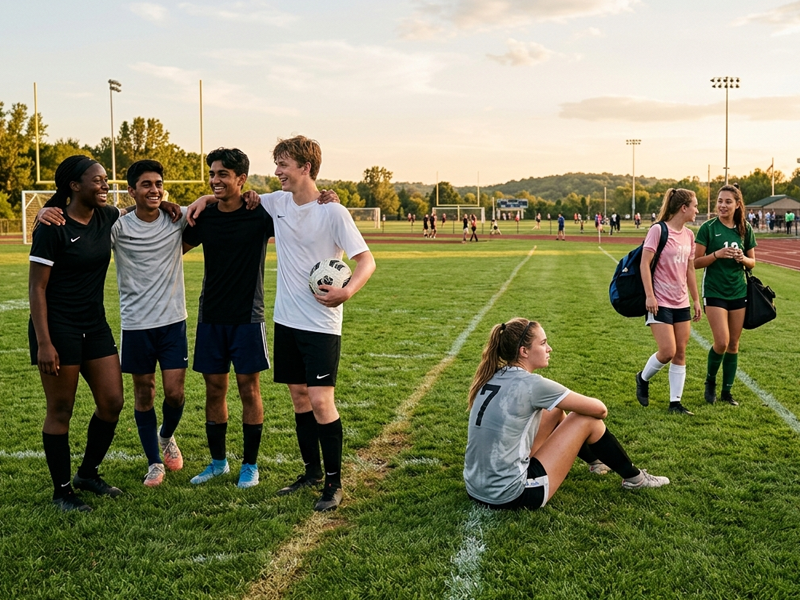
For many young people, sports become one of the earliest environments where identity begins to take shape. Long before careers and adult responsibilities enter the picture, the playing field becomes a place where discipline, responsibility, and confidence start to develop.
While victories and championships often capture attention, the deeper impact of sports lies in the personal growth that takes place behind the scenes. The routines of practice, competition, and teamwork gradually influence how young athletes see themselves and how they approach the world around them.
Discovering Strengths and Limitations
One of the most valuable aspects of youth sports is the opportunity for self-discovery. Athletes quickly learn where their strengths lie and where improvement is needed. Some may excel in leadership roles, motivating teammates and setting the group’s pace. Others may discover a quiet determination that drives them to improve through consistent effort.
Just as importantly, sports teach humility. Even the most talented players experience moments when they must confront their limitations. These experiences help young athletes understand that growth requires patience, practice, and a willingness to learn. Over time, this process builds confidence grounded in effort rather than ego.
The Meaning of Teamwork and Responsibility
Team sports introduce an important lesson that extends far beyond the game: individual success is often inseparable from collective effort. Each player contributes to the larger outcome, and every role, whether highly visible or not, carries responsibility.
Athletes learn that preparation, reliability, and communication affect not only their own performance but the success of the entire team. This sense of shared accountability helps foster respect for others and reinforces the idea that cooperation often yields stronger results than individual effort alone.
Stories like those explored in Wildcats! by Dr. Stuart J Guey, Jr. reflect this reality. The narrative follows a group of young teammates navigating competition, expectations, and the evolving dynamics within a close-knit team. Through those experiences, readers see how the bonds formed through shared effort can influence how young athletes view themselves and their place within a larger group.
These early lessons in teamwork often translate naturally into later stages of life. Whether working within professional organizations, community groups, or families, the ability to collaborate effectively becomes an invaluable skill.
Building Character Through Competition
Competition introduces challenges that test both emotional maturity and personal discipline. Winning can bring excitement and pride, but losing often provides even greater opportunities for growth. Athletes must learn to handle disappointment, accept constructive criticism, and continue striving for improvement.
Through these experiences, young people develop qualities such as resilience, patience, and respect for opponents. They also learn that effort and preparation matter just as much as natural ability. Over time, these lessons contribute to a stronger sense of identity- one rooted in perseverance and character rather than simple achievement.
The Influence of Mentors and Community
Youth sports rarely exist in isolation. Coaches, teammates, families, and communities all contribute to the environment in which young athletes grow. Coaches often serve as mentors, guiding players not only in athletic development but also in personal responsibility and discipline.
Communities frequently rally around school teams, creating a sense of shared pride and support. For young athletes, this encouragement reinforces the idea that their efforts matter not just to themselves but to those around them. These relationships help strengthen confidence and foster a sense of belonging during formative years.
Lessons That Last Long After the Game
As years pass, many former athletes realize that the most important lessons from their playing days were never recorded on a scoreboard. Instead, they came from the relationships formed, the challenges faced, and the growth experienced through competition.
The experiences captured in Wildcats! echo this perspective. While the story centers on a football season, its deeper focus lies in the personal development of the young men involved, how teamwork, adversity, and shared ambition shape their understanding of responsibility and identity.
Ultimately, sports offer more than moments of excitement or achievement. They serve as a training ground for life itself. Through competition, cooperation, and perseverance, young athletes begin to develop the qualities that guide them long after the final whistle, qualities that influence who they become, how they face challenges, and how they contribute to the communities around them.